
Breaking the Chain: Strengthening Infection Prevention for a Healthier Tomorrow
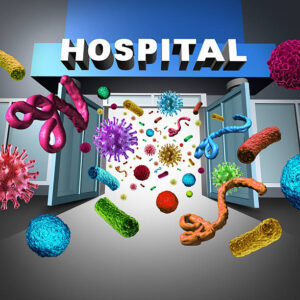
When a patient walks into a hospital ward, the invisible risk is not always the illness they bring with them. It can be the infections they might acquire within the hospital or carry home afterwards. From a newborn struggling with sepsis to a nurse exposed while caring for a coughing patient, every encounter in healthcare carries both compassion and vulnerability. Most infections that arise in hospitals or communities are preventable through simple, consistent actions.
Why Infection Prevention Matters
Infection prevention is one of the most straightforward yet most powerful public health measures we have. Clean hands, safe waste disposal, and vaccination can save millions of lives each year. Yet, in many parts of the world, preventable infections remain a leading cause of illness and death. According to the
.When prevention fails, the consequences are far-reaching. Hospital stays lengthen, costs rise, and avoidable suffering grows. Healthcare workers face daily risks, often without adequate protection or resources. Weak IPC systems also fuel the spread of antimicrobial resistance (AMR), as antibiotics are used more often to compensate for gaps in prevention. Resistant infections make treatment more difficult, drive up costs, and threaten progress across all fields of medicine. The WHO warns that if no action is taken, AMR could claim up to ten million lives every year by 2050.
Strengthening infection prevention reduces the need for antibiotics, slows resistance, and preserves effective treatments for the future. But it requires more than facilities and equipment. It demands investment in people; those who deliver care, those who manage systems, and those who make decisions about health priorities. It calls for communities to understand that prevention is not the task of hospitals alone but part of daily life, in homes, schools, and workplaces.
For further information visit https://isid.org/infection-prevention-week-2025/