
WHO declares Ebola outbreak in DR Congo an international emergency
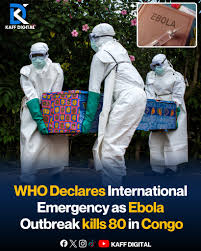
The current strain of Ebola is caused by the Bundibugyo virus, the health agency said, for which there are no approved drugs or vaccines.
Early symptoms include fever, muscle pain, fatigue, headache and sore throat, and are followed by vomiting, diarrhoea, a rash and bleeding.
What is Ebola and how does it spread?
- What is causing this outbreak? Ebola is a disease caused by a virus – it is rare, but severe and often deadly. There are three species of Ebola virus that cause outbreaks, and this one is known as Bundibugyo
- How is Ebola transmitted? It spreads between people through infected bodily fluids, such as blood and vomit
- How deadly is it? Around 30% of people have died in previous outbreaks of Bundibugyo Ebola virus
- What is the incubation time? Symptoms appear between two and 21 days after being infected
- What are the symptoms? The initial symptoms appear suddenly and are flu-like, such as a fever, headache and tiredness. As the disease progresses, vomiting and diarrhoea develop and the body's organs do not work as well. Some patients may develop internal and external bleeding
- Where does Ebola come from? Outbreaks start when somebody catches Ebola from infected animals, such as fruit bats
- Is there a vaccine? There are vaccines for the Zaire species of Ebola, but not for Bundibugyo
For more information on the Ebola outbreak as it unfolds - visit this Ebola resource centre